Pressure Washing vs. Power Washing in New Jersey: Surface-Specific Cleaning Methods for Residential & Commercial Properties
Exterior cleaning is more than a cosmetic service—it is a critical component of property maintenance in New Jersey’s diverse climate. From humid summers that promote algae growth to coastal salt exposure and winter grime buildup, residential and commercial buildings face year-round environmental stress. Services such as an Exterior home pressure wash play an essential role in removing accumulated contaminants before they cause long-term surface damage. Understanding Pressure Washing vs. Power Washing in New Jersey: Surface-Specific Cleaning Methods for Residential & Commercial Properties helps property owners protect surfaces, comply with environmental regulations, and maintain long-term property value.
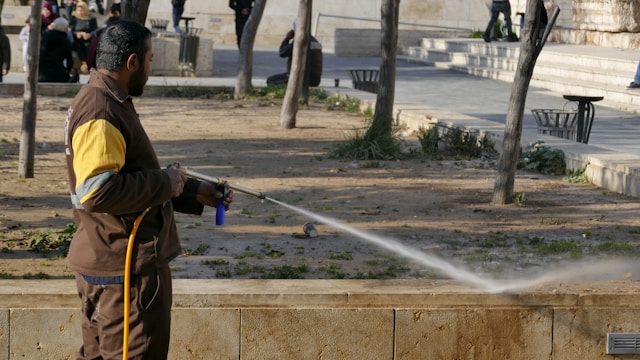
Choosing the correct cleaning method is not simply about spraying water at high pressure. It requires an understanding of surface materials, PSI (pounds per square inch) levels, water temperature, detergents, and regulatory considerations. When performed correctly, exterior cleaning enhances curb appeal, prevents structural deterioration, and reduces liability risks.
Understanding the Primary Difference: Pressure Washing vs. Power Washing
The terms “pressure washing” and “power washing” are often used interchangeably, but they are technically different methods.
Pressure Washing
Pressure washing uses high-pressure cold water to remove:
- Dirt
- Mud
- Algae
- Surface grime
- Loose debris
Pressure washing relies primarily on water force rather than heat to clean surfaces.
Best Applications:
- Concrete sidewalks
- Driveways
- Pavers
- Brick surfaces
- Patios
Cold-water pressure washing is highly effective for removing accumulated dirt and organic growth from durable surfaces.
Power Washing
Power washing uses heated water combined with high pressure. The addition of heat increases cleaning effectiveness, particularly for:
- Oil stains
- Grease buildup
- Embedded grime
- Commercial kitchen exhaust residue
- Heavily soiled surfaces
Key Differentiator: Heated water breaks down grease molecules and organic matter more effectively than cold water alone.
Power washing is often preferred for commercial properties, parking garages, restaurant exteriors, and industrial surfaces.
Why Surface-Specific Cleaning Matters in New Jersey
New Jersey properties are constructed with a variety of exterior materials, each requiring a specific cleaning approach. Improper technique can cause permanent damage.
Surface PSI (Pounds per Square Inch)
PSI measures water pressure intensity. Using the wrong PSI can:
- Etch concrete
- Strip paint
- Crack vinyl siding
- Remove roof granules
- Erode mortar joints
Professional contractors adjust PSI levels based on material type to reduce liability and prevent long-term property damage.
The Role of Soft Washing
Soft washing is a critical component of Pressure Washing vs. Power Washing in New Jersey: Surface-Specific Cleaning Methods for Residential & Commercial Properties.
Soft washing uses:
- Low-pressure water
- Specialized biodegradable detergents
- Chemical application for organic growth removal
This method is ideal for delicate surfaces and is particularly important for residential properties.
Best Uses for Soft Washing
- Asphalt roof shingles
- Vinyl siding
- Stucco
- Painted wood
- Fencing
Soft washing prevents:
- Surface damage
- Water intrusion
- Premature material degradation
- Roof granule loss
For example, applying high pressure to an asphalt roof can remove protective granules, significantly shortening the roof’s lifespan. Soft washing eliminates algae and moss without compromising structural integrity.
Exterior Surface Material Guide
Choosing the correct method depends on surface composition. Below is a general comparison:
Asphalt Roof
- Recommended Method: Soft Wash
- Risk If Done Incorrectly: Granule loss and reduced lifespan
Concrete
- Recommended Method: Pressure Wash
- Risk If Done Incorrectly: Surface etching and cracking
Vinyl Siding
- Recommended Method: Soft Wash
- Risk If Done Incorrectly: Warping or cracking
Brick
- Recommended Method: Moderate Pressure
- Risk If Done Incorrectly: Mortar erosion
Understanding these distinctions ensures long-term surface preservation.
Residential Exterior Cleaning in New Jersey
Homeowners across towns such as Toms River, Brick, Howell, Jackson, Lakewood, and Manchester rely on professional exterior cleaning to maintain curb appeal and structural health.
Residential cleaning typically includes:
- House washing
- Roof cleaning
- Deck cleaning
- Fence cleaning
- Driveway washing
- Sidewalk maintenance
Seasonal cleaning (spring and fall) removes pollen, mold spores, salt residue, and leaf debris that accumulate throughout the year.
Benefits for Homeowners
- Improved property value
- Extended lifespan of siding and roofing
- Prevention of mold and mildew growth
- Reduced slip hazards on walkways
- Enhanced neighborhood compliance
Commercial Property Maintenance
Commercial buildings face heavier foot traffic, vehicle exposure, and grease buildup.
Power washing is often used for:
- Storefront sidewalks
- Parking garages
- Dumpster pads
- Restaurant exteriors
- Gas stations
Maintaining a clean commercial exterior improves brand perception and reduces liability risks related to slippery surfaces.
Routine maintenance contracts are common for commercial properties to ensure compliance with municipal and HOA cleanliness standards.
Cleaning Agents & Detergents
Professional cleaning extends beyond water pressure. Specialized cleaning agents enhance effectiveness.
Biodegradable Detergents
Environmentally responsible detergents:
- Break down organic growth
- Minimize environmental impact
- Reduce chemical residue
- Comply with EPA Safer Choice standards
More information is available at: https://www.epa.gov/saferchoice
Using improper chemicals can damage landscaping, harm aquatic systems, and violate state regulations.
Environmental Runoff Regulations in New Jersey
Environmental compliance is essential when performing exterior cleaning in New Jersey.
NJDEP Stormwater Regulations
The New Jersey Department of Environmental Protection (NJDEP) enforces regulations related to:
- Stormwater runoff
- Chemical discharge
- Wastewater containment
- Protection of waterways
Improper runoff can lead to:
- Fines
- Environmental contamination
- Legal penalties
Learn more at: https://www.nj.gov/dep/
Professional contractors use containment systems, vacuum recovery equipment, and controlled detergent application to prevent harmful runoff.
HOA & Municipal Compliance
Homeowners associations (HOAs) and local municipalities often require exterior maintenance.
Failure to maintain surfaces can result in:
- HOA violation notices
- Fines
- Property devaluation
Commercial properties may also be subject to municipal appearance standards.
Working with experienced providers ensures compliance with local guidelines in towns like Toms River, Brick, and Lakewood.
Water Temperature: Heated vs. Cold
The choice between heated and cold water depends on contamination type.
Cold Water (Pressure Washing)
Effective for:
- Dirt
- Mud
- Loose debris
- Surface algae
Heated Water (Power Washing)
Effective for:
- Grease
- Oil stains
- Industrial buildup
- Embedded grime
Heated water accelerates chemical reactions and breaks down stubborn contaminants more efficiently.
Risk Management & Liability Reduction
Improper cleaning can lead to:
- Structural damage
- Personal injury from slippery residue
- Water intrusion
- Voided manufacturer warranties
Selecting the correct method reduces long-term repair costs and liability exposure.
Companies like Power Washing of NJ emphasize evaluating material type before choosing between pressure washing, power washing, or soft washing: https://www.powerwashingofnj.com/
Best Practices for Property Owners
To ensure proper service delivery, property owners should:
1. Confirm Contractor Knowledge of Surface Materials
Ask how different materials will be treated.
2. Ask About PSI Levels Used
Ensure pressure settings match the material’s tolerance.
3. Verify Biodegradable Detergents
Confirm EPA-compliant cleaning solutions are used.
4. Ensure Proper Runoff Control
Ask how wastewater will be managed.
5. Schedule Seasonal Maintenance
Spring and fall cleanings prevent buildup from becoming severe.
Industry Standards & Professional Guidance
Professional standards are outlined by:
Power Washers of North America (PWNA) https://www.pwna.org/
PWNA provides industry guidelines for safe and effective washing practices.
Following established standards ensures:
- Equipment calibration
- Safe PSI levels
- Proper chemical handling
- Worker safety compliance
Long-Term Property Value Protection
Exterior surfaces are constantly exposed to:
- UV radiation
- Moisture
- Pollution
- Organic growth
- Salt exposure (coastal areas)
Routine cleaning:
- Extends material lifespan
- Prevents premature replacement
- Enhances resale value
- Protects structural components
Investing in professional cleaning is often far less expensive than repairing damaged siding, roofing, or concrete.
The Strategic Importance of Method Selection
The central takeaway of Pressure Washing vs. Power Washing in New Jersey: Surface-Specific Cleaning Methods for Residential & Commercial Properties is that no single method works for every surface.
Correct selection depends on:
- Material composition
- Level of contamination
- Environmental regulations
- PSI calibration
- Water temperature requirements
Applying the wrong technique may create more harm than benefit.
Conclusion
Exterior cleaning in New Jersey requires more than high-pressure equipment—it demands technical knowledge, regulatory awareness, and surface-specific expertise. Pressure Washing vs. Power Washing in New Jersey: Surface-Specific Cleaning Methods for Residential & Commercial Properties highlights the importance of selecting the correct approach based on material type, contamination level, and environmental compliance requirements.
From residential siding and asphalt roofs to commercial grease-stained surfaces, each cleaning scenario calls for a tailored solution. Incorporating soft washing techniques, biodegradable detergents, and proper runoff management ensures safe, effective results.
By understanding the distinctions between pressure washing and power washing—and by partnering with experienced professionals—property owners can maintain structural integrity, enhance curb appeal, comply with New Jersey regulations, and protect long-term property value.
In the end, the right cleaning method is not just about appearance—it is about preservation, safety, and responsible property stewardship.
Pressure Washing and Power Washing Services
We are a family owned and operated power washing business located in Brick NJ and servicing the surrounding townships of Howell, Jackson, Toms River, Lakewood, and Manchester. We offer high quality pressure washing and power washing services for both residential and commercial clients. We use our knowledge of each exterior material to make the informed decision whether to pressure wash or power wash as well as which kind of detergent or cleaning agent to use. We offer side walk cleaning, roof cleaning, gutter cleaning and more. Our experience in the power washing industry helps guide us to professionally power wash or pressure wash your house, roof, or side walk. We will meet and beat your expectations leaving your home, roof, or property cleaner than you ever imagined possible.
CONTACT US
Pressure Washing vrs. Power Washing
The main difference between having something pressure washed versus having something power washed is power washing uses heated water while pressure washing relies on the force of the jet stream to pressure clean. Something that is heavily soiled or full of grime would benefit more from a power wash but a professional power washer can tell you if it is safe to power wash that specific material. Not all materials will stand up to the heat of power washing. This is when you would use pressure washing machines.