The Complete Guide to Pressure Washing vs. Power Washing for New Jersey Homeowners
Maintaining the exterior of a home is one of the most important aspects of residential property maintenance. In New Jersey, where homes are exposed to changing seasons, coastal moisture, salt air, pollen, and frequent rainfall, exterior surfaces can quickly accumulate dirt, mold, mildew, algae, and other contaminants. As a result, homeowners often seek professional exterior cleaning services to restore and protect their properties. However, many people are confused about the difference between pressure washing and power washing. While these terms are frequently used interchangeably, they are not exactly the same.
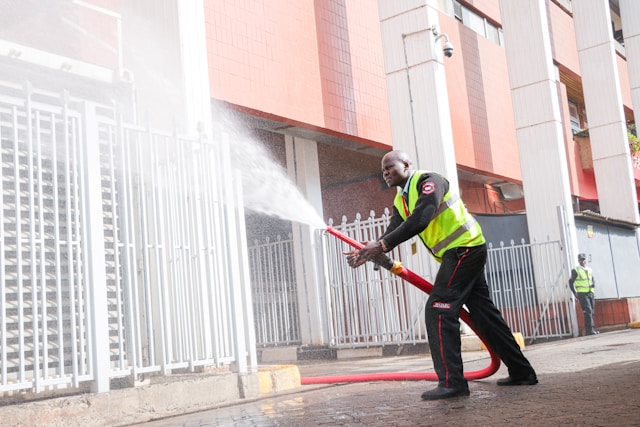
This guide explores the key differences between pressure washing and power washing, explains when each method is appropriate, and highlights why professional surface evaluation is critical for protecting your home’s investment. Whether you live in Toms River, Brick, Howell, Jackson, Lakewood, or Manchester, understanding these cleaning methods can help you make informed decisions about maintaining your property’s appearance, safety, and value.
Understanding Exterior Cleaning
Exterior cleaning refers to the process of removing dirt, grime, mold, mildew, algae, stains, and other contaminants from a property’s exterior surfaces. Professional cleaning services help preserve structural integrity, improve curb appeal, and prevent long-term damage caused by environmental exposure.
Common surfaces that benefit from exterior cleaning include:
- Vinyl siding
- Brick surfaces
- Stucco
- Driveways
- Sidewalks
- Patios
- Decks
- Fences
- Roofs
- Gutters
Regular cleaning not only improves aesthetics but also extends the lifespan of these materials by preventing deterioration caused by biological growth and accumulated debris.
What Is Pressure Washing?
Pressure washing is a cleaning method that uses highly pressurized cold water to remove dirt, dust, mud, mold, mildew, algae, and other contaminants from surfaces. The pressure generated by specialized equipment effectively cleans a wide range of materials without requiring heated water.
Pressure washing is commonly used for:
- House washing
- Concrete cleaning
- Driveway cleaning
- Sidewalk cleaning
- Patio restoration
- Deck maintenance
- Fence cleaning
Cold water cleaning works exceptionally well for removing general dirt buildup, pollen, loose contaminants, and moderate biological growth. It is often the preferred method for routine residential cleaning projects where heat is not necessary.
Professional pressure washing equipment can be adjusted to suit different surface types, reducing the risk of damage while maximizing cleaning effectiveness.
What Is Power Washing?
Power washing uses the same high-pressure water delivery system as pressure washing but incorporates heated water. The addition of heat significantly improves the cleaning process by breaking down grease, oil, algae, and stubborn contaminants more efficiently.
Power washing is particularly effective for:
- Oil stain removal
- Grease removal
- Heavy mold contamination
- Algae removal
- Commercial cleaning applications
- Industrial surface cleaning
- Surface restoration projects
Hot water cleaning penetrates contaminants more effectively than cold water, making it ideal for surfaces exposed to automotive fluids, food grease, industrial pollutants, and persistent biological growth.
Because of its enhanced cleaning power, power washing is frequently used on concrete surfaces, commercial properties, parking lots, and heavily soiled outdoor areas.
Pressure Washing vs. Power Washing: Key Differences
The primary difference between pressure washing and power washing lies in water temperature.
Pressure Washing
- Uses cold water
- Effective for routine cleaning
- Suitable for most residential surfaces
- Lower operating costs
- Ideal for removing dirt, pollen, dust, and light mildew
Power Washing
- Uses heated water
- More effective against grease and oil
- Better for severe algae and mold growth
- Ideal for commercial and industrial applications
- Provides deeper cleaning on heavily contaminated surfaces
Both methods can deliver excellent results when used appropriately. The decision depends on the surface material, contamination level, and desired outcome.
Why Surface Evaluation Matters
One of the most important steps in any exterior cleaning project is proper surface evaluation. Professional cleaning companies assess several factors before determining the best cleaning approach.
Surface Material
Different materials require different cleaning techniques.
Examples include:
- Vinyl siding
- Brick surfaces
- Stucco
- Wood decking
- Composite materials
- Concrete surfaces
Each material responds differently to pressure levels, cleaning solutions, and water temperature.
Age of the Structure
Older homes may have fragile surfaces, deteriorating paint, or weakened seals that require special care. Aggressive cleaning methods can cause unintended damage if not properly adjusted.
Type of Contamination
The nature of the contamination influences the cleaning strategy.
Common contaminants include:
- Mold
- Mildew
- Algae
- Dirt
- Pollen
- Salt deposits
- Oil stains
- Rust stains
Professionals identify the source of contamination to determine the most effective treatment.
Environmental Exposure
New Jersey homes face unique environmental challenges due to varying weather conditions and coastal influences. Properties near wooded areas, lakes, or coastal regions often experience accelerated algae and mold growth.
The Role of Soft Washing
In many situations, neither traditional pressure washing nor power washing is the safest option. Instead, professionals may recommend soft washing.
Soft washing combines low-pressure water application with specialized cleaning solutions designed to eliminate mold, mildew, algae, and bacteria without damaging delicate surfaces.
Soft washing is commonly used on:
- Roofs
- Vinyl siding
- Stucco
- Painted surfaces
- Older homes
This method effectively cleans sensitive materials while reducing the risk of structural damage.
Preventing Common Cleaning Mistakes
Improper cleaning techniques can cause significant property damage. This is why professional expertise is essential.
Siding Damage
Excessive pressure can crack or loosen vinyl siding panels, allowing moisture to penetrate behind the exterior surface.
Paint Stripping
Incorrect pressure settings may remove paint prematurely, leading to costly repainting projects.
Wood Splintering
Wood decks and fences can become splintered or gouged when exposed to excessive pressure.
Water Intrusion
Improper spray angles may force water into wall cavities, windows, and structural joints, potentially causing mold growth and water damage.
Professional technicians understand how to adjust pressure levels, nozzle selection, and cleaning solutions to avoid these issues.
New Jersey’s Unique Cleaning Challenges
Homeowners throughout New Jersey face environmental conditions that contribute to faster exterior deterioration.
Communities such as:
- Toms River
- Brick
- Howell
- Jackson
- Lakewood
- Manchester
experience a combination of coastal humidity, seasonal pollen, heavy rainfall, and fluctuating temperatures.
These conditions encourage:
- Algae growth
- Mold formation
- Mildew accumulation
- Salt residue buildup
- Organic staining
Without regular cleaning, these contaminants can affect both appearance and structural integrity.
Coastal Salt Exposure
Properties located near the Jersey Shore are particularly vulnerable to salt exposure. Salt particles carried by ocean winds accumulate on siding, windows, decks, and concrete surfaces.
Over time, salt buildup can contribute to:
- Surface discoloration
- Material degradation
- Corrosion
- Premature aging
Regular pressure washing helps remove these deposits before they cause long-term damage.
Pollen Accumulation
Spring and summer bring significant pollen levels throughout New Jersey. Pollen can coat siding, patios, decks, and outdoor furniture, creating an unsightly appearance while contributing to allergic reactions.
Routine exterior cleaning removes pollen buildup and restores surface cleanliness.
Benefits of Professional House Washing
House washing provides numerous benefits beyond aesthetics.
Improved Curb Appeal
A clean home instantly creates a positive impression and enhances neighborhood appearance.
Increased Property Value
Well-maintained homes often command higher market values and attract potential buyers more effectively.
Preventative Maintenance
Removing contaminants before they cause deterioration helps reduce repair costs over time.
Healthier Living Environment
Mold and mildew can contribute to poor air quality and respiratory concerns. Eliminating these contaminants supports a healthier property environment.
Concrete Cleaning and Surface Restoration
Concrete cleaning is one of the most common applications for pressure washing and power washing.
Surfaces such as:
- Driveways
- Sidewalks
- Patios
- Walkways
- Pool decks
accumulate dirt, algae, oil stains, tire marks, and environmental pollutants.
Professional surface cleaners use specialized equipment that delivers consistent cleaning across large areas. These tools improve efficiency while preventing streaking and uneven results.
Surface restoration through professional cleaning can dramatically improve the appearance of aging concrete without requiring expensive replacement.
Eco-Friendly Cleaning Solutions
Modern exterior cleaning companies increasingly use eco-friendly detergents designed to minimize environmental impact while maximizing cleaning effectiveness.
Benefits include:
- Reduced environmental harm
- Safe application around landscaping
- Effective mold and mildew removal
- Compliance with environmental regulations
Many professional cleaning companies follow recommendations established by organizations and agencies focused on environmental protection.
Industry Standards and Professional Resources
Several organizations provide training, certification, and best practices for exterior cleaning professionals.
Pressure Washing Resource Association (PWRA)
The PWRA offers educational resources, industry standards, and professional development opportunities for contractors.
United Association of Mobile Contract Cleaners (UAMCC)
The UAMCC promotes professional excellence and supports ongoing training within the pressure washing industry.
Power Washers of North America (PWNA)
The PWNA provides certification programs and technical guidance for cleaning professionals nationwide.
Government Resources for Homeowners
Homeowners seeking information about mold prevention and environmental protection can consult trusted government resources.
EPA Mold and Mildew Prevention Guide
The Environmental Protection Agency provides comprehensive guidance on mold prevention, moisture control, and safe remediation practices.
New Jersey Department of Environmental Protection (NJDEP)
The NJDEP offers information regarding environmental regulations, water quality protection, and responsible cleaning practices.
Essential Equipment Used by Professionals
Professional exterior cleaning companies rely on advanced tools to achieve safe and effective results.
Common equipment includes:
- Commercial pressure washers
- Surface cleaners
- Soft wash systems
- Eco-friendly detergents
- Hot water cleaning systems
- Specialized nozzles
- Water recovery systems
The proper combination of equipment and expertise ensures optimal cleaning outcomes while protecting property surfaces.
Conclusion
Understanding the difference between pressure washing and power washing is essential for homeowners who want to protect their investment and maintain their property’s appearance. While pressure washing utilizes cold water for routine cleaning tasks, power washing incorporates heated water to tackle grease, oil, algae, and stubborn contaminants more effectively. Both methods play valuable roles in residential property maintenance when applied correctly.
For homeowners in Toms River, Brick, Howell, Jackson, Lakewood, Manchester, and surrounding New Jersey communities, regular exterior cleaning is especially important due to the region’s coastal climate, humidity, pollen exposure, and biological growth challenges. Professional cleaning companies evaluate surface materials, contamination types, and environmental conditions to determine the safest and most effective cleaning approach.
Whether the goal is house washing, concrete cleaning, mold removal, mildew removal, or complete surface restoration, investing in professional exterior cleaning services helps preserve property value, improve curb appeal, and extend the lifespan of your home’s exterior surfaces for years to come.
Pressure Washing and Power Washing Services
We are a family owned and operated power washing business located in Brick NJ and servicing the surrounding townships of Howell, Jackson, Toms River, Lakewood, and Manchester. We offer high quality pressure washing and power washing services for both residential and commercial clients. We use our knowledge of each exterior material to make the informed decision whether to pressure wash or power wash as well as which kind of detergent or cleaning agent to use. We offer side walk cleaning, roof cleaning, gutter cleaning and more. Our experience in the power washing industry helps guide us to professionally power wash or pressure wash your house, roof, or side walk. We will meet and beat your expectations leaving your home, roof, or property cleaner than you ever imagined possible.
CONTACT US
Pressure Washing vrs. Power Washing
The main difference between having something pressure washed versus having something power washed is power washing uses heated water while pressure washing relies on the force of the jet stream to pressure clean. Something that is heavily soiled or full of grime would benefit more from a power wash but a professional power washer can tell you if it is safe to power wash that specific material. Not all materials will stand up to the heat of power washing. This is when you would use pressure washing machines.